
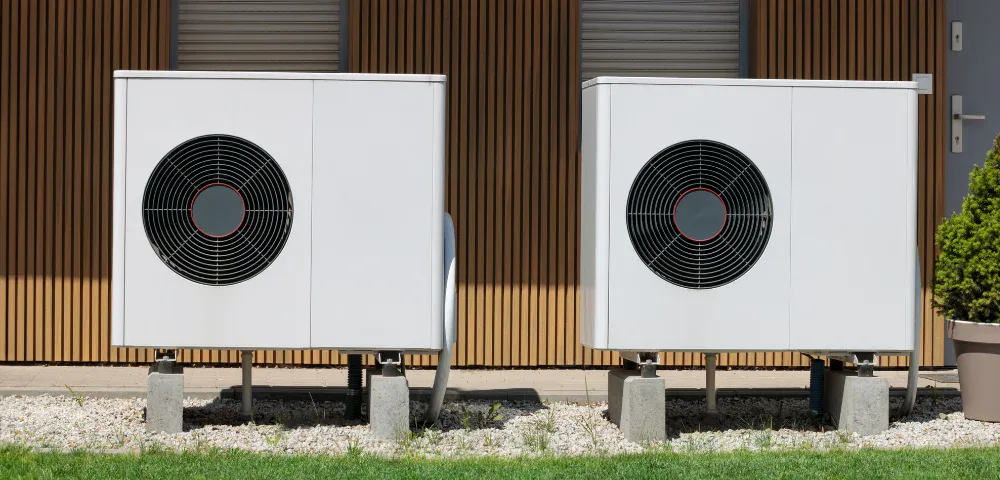
Heat pumps deliver heating and cooling from one integrated HVAC system. The switch between modes happens because of one essential component. That component is the heat pump reversing valve. If you understand where the valve is located, the layout of the entire heat pump system becomes clearer. This guide explains its physical position, how the reversing valve works, and what to check inside a residential outdoor unit.
Understanding the Reversing Valve’s Role in a Heat Pump System
A heat pump’s reversing valve controls the direction of the refrigerant inside the HVAC system. This valve reverses the flow of refrigerant so the unit can operate in heating mode or cooling mode. In simple terms, the reversing valve reverses the direction of the refrigerant depending on the thermostat setting.
Cooling Mode Operation – In cooling mode, the indoor coil functions as the evaporator coil and absorbs heat from the indoor air. The refrigerant carries that heat to the outdoor unit, where the condenser coil releases it outside. This process removes unwanted heat and keeps the indoor space cool.
Heating Mode Operation – In heating mode, the reversing valve changes the direction of the refrigerant flow throughout the system. The outdoor coil becomes the evaporator and absorbs heat from the outside air. The indoor coil then acts as the condenser and releases heat inside the home.
The thermostat sends a signal to a solenoid coil mounted on the valve body. In most residential systems, this signal is 24 volts. When energized, the solenoid shifts a slide inside the reversing valve. Inside the reversing valve, the slide redirects refrigerant flow instantly.
This component does not create heat. It simply redirects hot refrigerant and low-pressure vapor through different ports. Without proper operation of this valve, heating and cooling modes cannot function correctly.
The Exact Location: Where the Reversing Valve Is Located
The reversing valve is located inside the outdoor heat pump unit. It sits in the outdoor unit cabinet alongside the compressor and condenser coil. In nearly every air source heat pump system, the valve is mounted close to the compressor discharge port.
In water source systems, the reversing valve is installed inside the unit cabinet near the compressor as well, even though the system connects to a water loop instead of an outdoor coil.
You will not find this component inside the indoor air handler. The indoor section contains the evaporator, blower motor, and electrical controls. The heat pump unit keeps directional refrigerant control in the outdoor section.
Quick Location Check
If you want a fast identification tip, check for these features:
- Installed inside the outdoor unit
- Positioned near the compressor and suction line
- Connected to four copper tube connections
- Equipped with a visible solenoid coil
If these elements are present, you have found the heat pump reversing valve.
Why the Outdoor Unit Houses This Component
The compressor produces high-pressure refrigerant during system operation. That hot refrigerant exits through the discharge tube and enters the reversing valve body. From there, the valve directs refrigerant toward the indoor coil or outdoor coil.
Because all major refrigerant lines meet in the condenser section, the valve must mount there. This allows efficient control of refrigerant flow without additional piping indoors. It also centralizes HVAC troubleshooting for technicians.
The valve located near the compressor ensures proper operation during heating or cooling. It directly manages the flow of refrigerant between the indoor and outdoor coils.
What the Reversing Valve Looks Like
The reversing valve has a cylindrical brass or copper valve body. Four copper tubes are brazed into dedicated ports on the valve body. These tubes connect to the compressor, indoor coil, outdoor coil, and suction line.
On one end, you will see a solenoid coil inside a small electrical housing. Low-voltage wiring from the thermostat connects to this coil. When the thermostat sends a signal, the solenoid shifts the internal slide.
Visual Identification Guide
Look for the following signs inside the outdoor heat pump unit:
- Larger than a service port or access valve
- Four brazed tube connections
- Mounted near the compressor
- Electrical wires are attached to the solenoid
It should not be confused with a filter drier or refrigerant access port. The reversing valve is a central directional control component.
Step-by-Step: How to Locate It Safely
If you plan to inspect your HVAC system, follow a structured process.
Step 1: Shut off electrical power.
Use the disconnect next to the outdoor unit and confirm the system is not running.
Step 2: Remove the access panel carefully.
Keep screws secure and avoid disturbing wiring.
Step 3: Identify the compressor first.
The compressor is the largest sealed cylindrical component in the cabinet.
Step 4: Trace the discharge tube.
Follow the copper line carrying hot refrigerant from the compressor.
Step 5: Confirm the four-way valve body.
Look for four copper connections and the attached solenoid coil.
Understanding this layout helps with accurate component identification and explains how the system achieves the core advantages of heat pump operation, including efficient switching between heating and cooling modes.
Once the valve has been identified, avoid touching refrigerant lines or fittings. Never loosen connections, as the system remains pressurized even when electrical power is off.
How It Connects Within the HVAC System
The reversing valve is the connection hub of the heat pump system. Every major refrigerant pathway links directly to this component. Its purpose is to control how and where refrigerant moves during operation.
Key Connections to the Reversing Valve:
- Compressor discharge line delivering high-pressure refrigerant
- Suction line returning low-pressure vapor to the compressor
- Line connected to the indoor coil
- Line connected to the outdoor coil
These four connections allow the reversing valve to control the direction of the refrigerant flow. When the thermostat changes the setting, the valve shifts internally and reroutes refrigerant between these connected lines.
Connection During Cooling Mode:
- Refrigerant flows from the compressor through the reversing valve.
- It moves toward the indoor coil, which acts as the evaporator.
- Heat is absorbed from indoor air.
- Refrigerant is redirected to the outdoor coil to release heat.
Connection During Heating Mode:
- The reversing valve changes the internal flow path.
- Refrigerant is sent toward the outdoor coil to absorb heat.
- The heated refrigerant is then routed to the indoor coil.
- The indoor coil releases heat into the home.
The connection between the compressor, coils, and suction line all depends on the reversing valve. Without this central component, the heat pump could not switch between heating and cooling modes.
Common HVAC Issues Related to the Reversing Valve
A stuck reversing valve may cause the system to blow cool air during heating mode. In some cases, the valve can get stuck due to internal wear. A faulty solenoid may also prevent proper switching.
A leak near the valve body or tube connections can affect refrigerant flow. High-pressure refrigerant escaping from a damaged port requires immediate service. If the reversing valve needs attention, hire a licensed HVAC technician or contact your dealer.
Do not attempt to replace the reversing valve yourself. Replacing this component requires recovering refrigerant and specialized tools. Only a certified HVAC technician should diagnose or replace the reversing valve.
Maintenance and Professional Support
Regular maintenance helps prevent HVAC issues related to the reversing valve. During routine service, a technician will check electrical connections and refrigerant levels. They will also confirm that the solenoid operates properly during mode changes.
If your heat pump system fails to switch between heating and cooling, professional troubleshooting is necessary. A malfunctioning valve can affect the proper operation of the entire HVAC system.
In residential systems, early diagnosis prevents larger compressor damage. If you suspect a stuck reversing valve or faulty electrical signal, schedule service promptly.
Homeowners in Maine may benefit from expert guidance when evaluating heat pump concerns. Maine Energy Experts has industry experience that can help homeowners understand potential causes and next steps when heat pump performance is inconsistent. When professional assessment is needed, technicians can verify control signals, assess refrigerant flow, and provide recommendations based on system condition.
Conclusion
You can find the heat pump reversing valve inside the outdoor unit cabinet. It is mounted near the compressor and connected to four refrigerant tubes. The solenoid coil on top receives a 24-volt signal from the thermostat to switch modes. It remains in the outdoor heat pump unit because that location centralizes refrigerant flow control.
Whether the system is in heating mode or cooling mode, the valve manages the direction of the refrigerant. Understanding where this component sits makes the HVAC system layout easier to follow. It also helps homeowners communicate clearly with a technician when diagnosing heating and cooling concerns.
Experiencing inconsistent heating or cooling?
A malfunctioning reversing valve can impact your entire system. Schedule a professional evaluation before minor issues turn into major repairs.
Contact Us!