
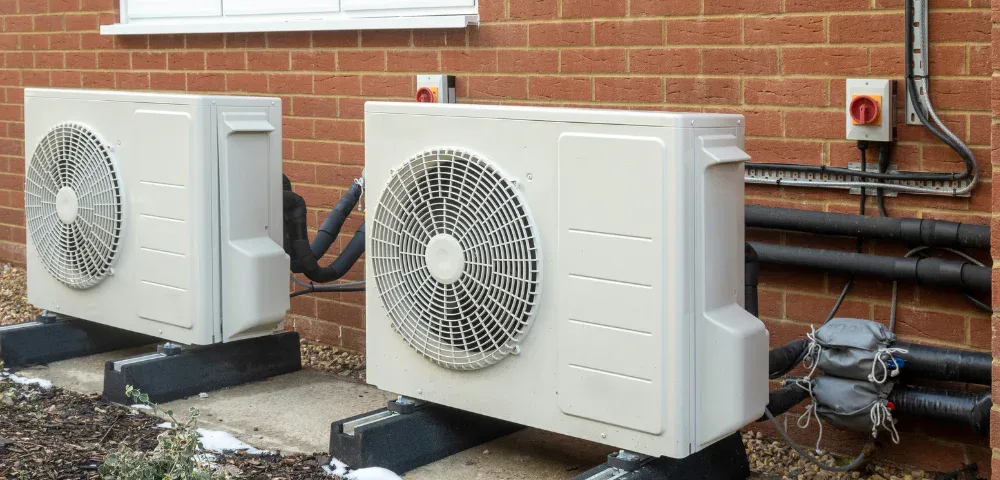
Winter energy costs continue to rise, and as a result, more homeowners are turning to heat pumps for efficient heating. Yet one common concern remains: at what temperature will a heat pump stop working? The answer may surprise you. Heat pumps rarely shut down completely in cold weather; instead, their performance gradually changes as temperatures drop. In this article, we will explain temperature limits, efficiency shifts, cold-climate technology, and practical solutions homeowners can apply.
How a Heat Pump Works
A heat pump works by moving heat rather than creating it. First, the refrigerant absorbs heat from outdoor air through the evaporator. Then, the compressor increases its temperature and pressure. Next, the condenser releases that heat inside your home. This simple refrigeration cycle repeats continuously. However, because the system transfers existing heat, outdoor temperature directly affects performance. As colder air holds less heat, the system must work harder—leading to natural performance limits.
At What Temperature Does a Heat Pump Stop Working?
- Heat pumps don’t suddenly shut off at a specific number. Instead, performance changes as outdoor air temperature drops.
- A standard air-source heat pump begins to lose efficiency around 35°F–40°F.
- Most systems still operate and provide heating down to 20°F–25°F.
- Older models may struggle below 30°F, especially during extended cold weather.
- In extreme cold, the unit may not produce enough heat to keep the desired indoor temperature, but it is still running.
- This point is known as the balance point — when the heat pump can no longer meet the home’s heat loss alone.
- Below the balance point, backup heat or supplemental heat activates automatically.
- Therefore, the real difference is not when a heat pump stops working, but when its efficiency declines.
What Happens as Temperatures Drop?
As the temperature falls, the heat pump’s efficiency declines because there is less heat from the outdoor air available for heat transfer. Consequently, the compressor works harder to extract heat, lowering the COP. In cold temperatures, frost can form, triggering defrost cycles that briefly reduce heating output. Therefore, the heat pump may rely more on auxiliary heat. While the heat pump is still operating, energy use increases, especially in colder parts of its temperature range.
Cold-Climate Heat Pumps: Do They Work Below 0°F?
Modern cold-climate heat pumps are designed to work efficiently even in a harsh cold climate. Using advanced heat pump technology such as inverter-driven compressors, variable-speed systems, and enhanced vapor injection, these units can transfer heat in temperatures as low as 0°F and even 5°F to 15°F. Although heat pump efficiency declines in extreme cold, the heat pump will work, continuing to heat your home when many assume it would stop.
The Heat Pump “Balance Point” Explained
The balance point is the outdoor temperature at which a heat pump’s output equals your home’s heat loss. At this level, the system can maintain indoor comfort without assistance. However, once temperatures drop below this point, the home loses heat faster than the unit can replace it, and auxiliary heat activates automatically.
Several factors influence the balance point, including insulation quality, home size, air leakage, and climate zone. Better insulation and air sealing lower the balance point, improving winter efficiency.
Factors That Influence Cold-Weather Performance
- Installation quality: Proper setup ensures the heating system can efficiently heat and cool your home without airflow restrictions or performance loss. Professional installation standards followed by Maine Energy Experts focus on correct sizing and airflow design to support strong winter performance.
- Refrigerant charge: Incorrect levels reduce available heat energy and force the system to work harder in winter.
- Duct sealing: Leaky ducts allow warm air to escape, lowering indoor comfort and overall efficiency.
- System sizing: An oversized or undersized unit struggles to maintain steady heating performance.
- Maintenance frequency: Regular service keeps coils clean and components operating smoothly.
- Outdoor unit placement: Clear airflow around the unit prevents blockages that reduce heating output.
How to Improve Heat Pump Performance in Winter
- Schedule regular maintenance: Professional service ensures your heat pump system operates within its proper heat pump temperature range, especially during peak winter demand.
- Clean or replace filters: Clean filters improve airflow, helping your air source heat pump extract enough heat from the outdoor air efficiently.
- Clear snow and ice: Keep the outdoor unit free from buildup so it can continue extracting heat from the air without restriction.
- Use smart thermostat settings: Stable temperatures prevent the system from overworking, so the pump doesn’t have to work harder than necessary.
- Upgrade home insulation: Proper insulation reduces heat loss, meaning the heat pump has to work less to maintain comfort.
- Seal air leaks: Air sealing keeps warm air inside, helping your heat pump work in cold weather more efficiently, depending on the outdoor temperature.
Conclusion
So, at what temperature will a heat pump stop working? In most cases, it does not suddenly stop. Instead, efficiency gradually declines as outdoor temperatures drop. With modern cold-climate technology, proper installation, and routine maintenance, heat pumps can deliver reliable winter performance. Ultimately, understanding balance points and system limits helps homeowners make informed decisions and maintain comfort—even when temperatures fall well below freezing.
Is Your Heat Pump Ready for Winter?
Cold temperatures don’t have to mean rising energy bills. If you are unsure whether your system can handle freezing conditions, a professional evaluation can prevent costly breakdowns and efficiency loss. Ensure your heat pump operates reliably all season long with expert guidance and proper setup.
Contact Us